
The West Marion Resilience Hub - WNC Health Policy Podcast Ep. 24
In this episode we speak with Paula Swepson Avery and Ginger Webb from West Marion Inc. about their decade-long journey of community transformation in McDowell County.
They tell us how meaningful progress requires long-term commitment, not constantly shifting strategies, and how their work centers on addressing the social determinants of health, like housing, transportation, food access, childcare, and stigma in their WNC community.
Listeners will learn:
How community-led organizing led to real policy changes, including a local transit system and minimum housing standards
Why reducing stigma around food insecurity, transportation, and substance use is essential to improving health outcomes
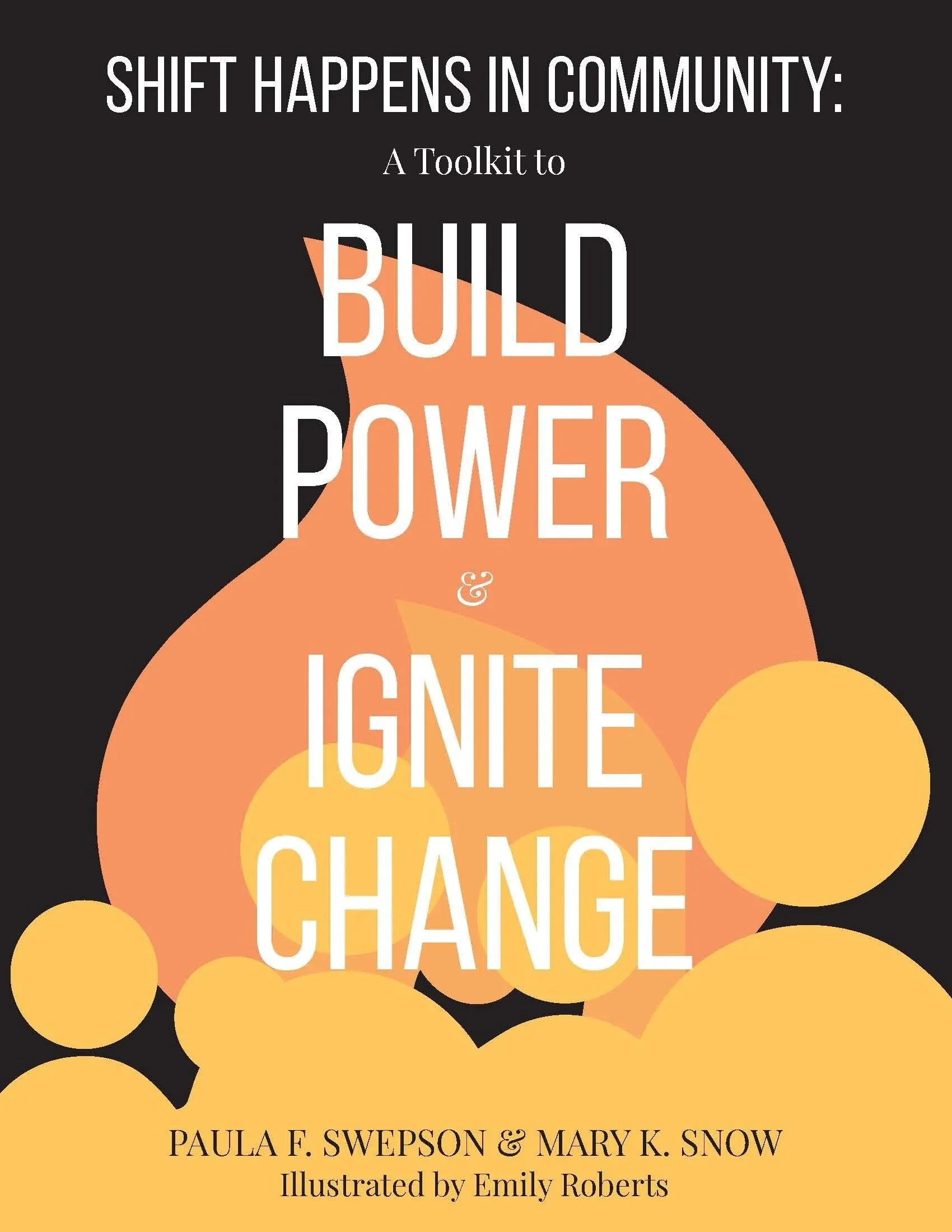
How community forums, and their work as seen in the “Shift Happens” book, empower residents to shape their own futures
What current funding structures get wrong, and how investing directly in community organizations can drive deeper impact
Lessons from disaster preparedness and response before and after Hurricane Helene, including the vision for a community resilience hub
Whether you're a policymaker, funder, public health professional, or community advocate, this conversation challenges conventional approaches and highlights a path toward better health outcomes in our rural communities.
Listen via the audio bar above, or via Apple Podcasts or Spotify
About the WNC Health Policy Podcast: In each installment, we speak about different public health strategies for improving health and well-being in Western North Carolina (WNC). The WNC HPl is a collaboration between the NC Center for Health & Wellness at UNCA and MAHEC, with generous support from the Dogwood Health Trust.
Individual opinions, findings, conclusions, or recommendations expressed in this podcast are those of the author(s)/interviewee(s) and do not necessarily reflect the view of the WNC Health Policy Initiative or its host institutions of the University of North Carolina Asheville (UNCA), Mountain Area Health Education Center (MAHEC) or our funders.