Produce Prescriptions w/Caleb Thomason (Appalachian Sustainable Agriculture Project) - WNC Health Policy Podcast Ep. 26
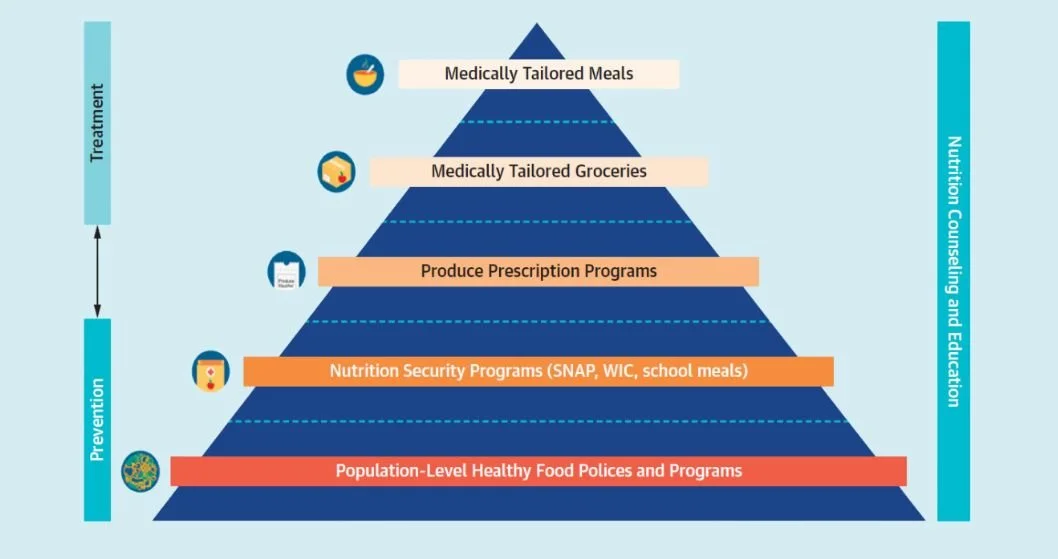
The Appalachian Sustainable Agriculture Project's Produce Prescription Program recently received $400,000 in renewed funding from Blue Cross NC to continue and expand operations. The program helps provider-referred participants access fresh fruits and vegetables at farmer's markets while strengthening Western North Carolina's agricultural economy.

Regionalizing Food Systems for Resilience: A Conversation with Dr. Patrick Baron - WNC Health Policy Podcast Ep. 18
In this episode of the WNC Health Policy podcast, epidemiologist Dr. Patrick Baron, Assistant Professor and Program Director of the Integrated Health Sciences at Western Carolina University, helps us understand the big picture around food access and population health in WNC, and where things stand after multiple hits to food infrastructure, including: the end of emergency allotments for COVID-19 in the Food and Nutrition Services (FNS) program in 2023, Hurricane Helene in September 2024, cuts to the USDA in spring of 2025 and the passage of The One Big Bill Act of July 2025.

Thanksgiving Food Waste Will Top 300 Million Pounds/$600M in 2023
This Thanksgiving, Americans will waste ~312 million pounds of food at a cost of over $600M - enough to feed every hungry person in the U.S. for a week.

Hunger and Homelessness Awareness Week - Nov 11-18
Nov. 11-18 2023 is Hunger and Homelessness Awareness Week. This week, across the country, schools, towns, municipalities and community organizations host events, activities, and programs to promote the relationships and shared work being done to combat hunger and homelessness, and to support those efforts by engaging volunteers and the community in active work to address those situations.

School Meals for ALL NC - WNC Health Policy Podcast Ep. 2
A lack of reliable access to a sufficient quantity of affordable, nutritious food can have significant impacts on health and wellbeing. And this is especially true when it comes to children who need a steady intake of nutritious food to grow healthy bodies and develop healthy minds.
In North Carolina, however, one in six children are food insecure, and over 1.6 million North Carolinians live in a food desert - areas where healthy foods are not accessible. And since 2012, the number of food deserts in NC has only increased.
In this installment of the HPI Podcast, we speak with Marianne Weant and Alecia Sanders of the NCAH about food insecurity, the School Meals for All Campaign, and what we learned from implementing a similar program in NC during COVID, along with the political challenges and both state and local considerations for a more permanent implementation of this program.