
PODCASTS & MEDIA
WNC Health Policy
Blog Posts

On August 28th, the Western North Carolina Health Policy Initiative (WNC HPI), a program of the North Carolina Center for Health & Wellness (NCCHW) at UNC Asheville, convened healthcare and community leaders from across the region for a discussion with HCA Healthcare CEO Sam Hazen and Mission Hospital CEO Greg Lowe.
The meeting took place at the Mountain Area Health Education Center (MAHEC) and provided an opportunity for regional stakeholders to hear directly from HCA and Mission top leaders about Mission Hospital’s ongoing efforts to improve access to care, strengthen quality and patient safety, build a more stable healthcare workforce, and improve patient flow.

Mental health and substance use are major public health priorities in Western North Carolina, but accessing behavioral health care can be challenging because of provider shortages, workforce turnover, geographic disparities, fragmented services, and barriers to Medicaid participation. In this episode of the Western North Carolina Health Policy Initiative podcast, Nina Marie Collins draws on a decade of experience in public mental health, peer support, crisis services, and transitions to community living to explain how Western North Carolina’s behavioral health system works—and where it falls short.

In 2024-2025, the WNC Health Policy Initiative partnered with the WNC Early Childhood Coalition and other regional partners in the early childhood/childcare space to address the expiration of pandemic-era federal stabilization grants, along with other challenges facing the child care sector. On July 2, 2026, the NC General Assembly finally passed the 2026-2027 budget, which includes several funding several allocations and policies to support early childhood centers and providers.

On Friday, June 27th, 2026, WNC Health Network’s Meron Abebe (M.S., MBA, MPH), Director of Operations/Evaluation & Learning Advisor, along with Emily Kujawa (MPH, RD), Director of Partner Engagement, joined WNC HPI partners to share findings from the analysis. The researchers shared data across five major themes shaping youth mental health in the region—access to care, care coordination and navigation, prevention and early intervention, youth engagement and supportive spaces, and social determinants of health—and invited feedback from providers, policymakers and others regarding their experiences and insights.

Western North Carolina is facing a sustained mental health and substance use crisis. But improving behavioral health access and outcomes will require more than simply increasing the number of providers. It will require building a system that enables clinicians to stay in community practice, supports patients in accessing timely care, and aligns incentives with long-term health outcomes. In a recent conversation with clinician Lissa Carter, we learned about the challenges and opportunities facing mental health providers—and patients—in our region.
WNC Health Policy Podcast Episodes
Mental health and substance use are major public health priorities in Western North Carolina, but accessing behavioral health care can be challenging because of provider shortages, workforce turnover, geographic disparities, fragmented services, and barriers to Medicaid participation. In this episode of the Western North Carolina Health Policy Initiative podcast, Nina Marie Collins draws on a decade of experience in public mental health, peer support, crisis services, and transitions to community living to explain how Western North Carolina’s behavioral health system works—and where it falls short.

Data from the WNC Health Network shows a 39% increase in poor mental health in the region since 2012, alongside widespread impacts of substance use across households. In this episode of the WNC Health Policy Podcast, we begin to explore the mental health and substance use landscape of Western North Carolina through the experience of clinician Lissa Carter, who has worked across recovery, community mental health, education, and clinical leadership roles in Buncombe County.
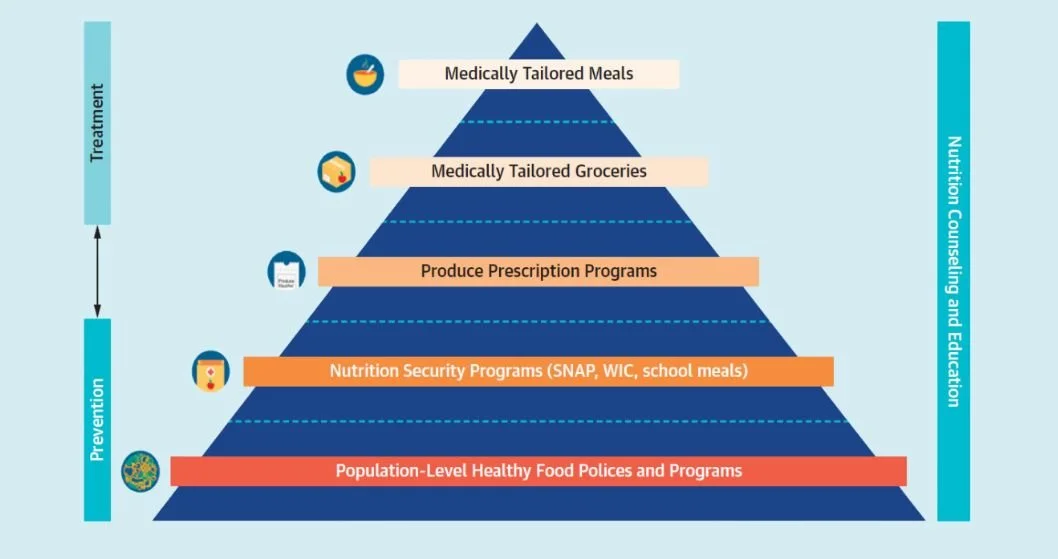
The Appalachian Sustainable Agriculture Project's Produce Prescription Program recently received $400,000 in renewed funding from Blue Cross NC to continue and expand operations. The program helps provider-referred participants access fresh fruits and vegetables at farmer's markets while strengthening Western North Carolina's agricultural economy.
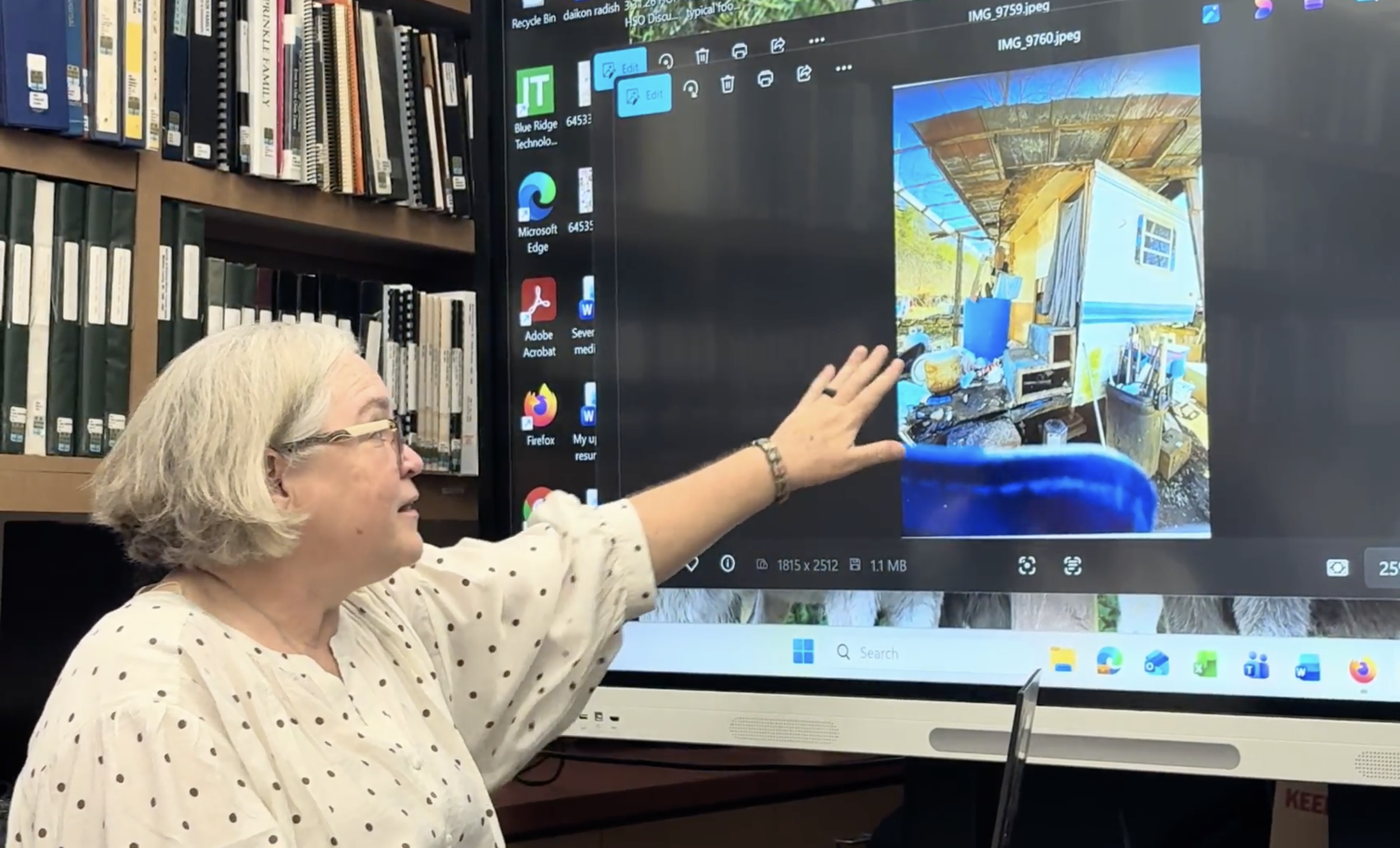
WNC is home to many innovative strategies for navigating complex health challenges.
Two of those include the role of Community Health Workers in the healthcare workforce and the Healthy Opportunities Pilot, which abruptly ended in the summer of 2025 due to the General Assembly's failure to pass a budget.
In this episode we hear from Jacque Ballard, a community health worker who has worked in both Madison and Yancey Counties and recently supported research by the Health Policy Research Consortium to understand the impact of HOP's end. We talk about the work of community health workers, challenges experienced in WNC, and the impact of HOP's end.
In this episode we speak with Paula Swepson Avery and Ginger Webb from West Marion Inc. about their decade-long journey of community transformation in McDowell County. They tell us how meaningful progress requires long-term commitment, not constantly shifting strategies, and how their work centers on addressing the social determinants of health, like housing, transportation, food access, childcare, and stigma in their WNC community.